
 by wpideowise
Safety in the workplace often begins with seemingly simple decisions. Properly selected helmets, safety glasses, work gloves, or safety shoes daily reduce the risk of injury, health damage, and work process disruptions.
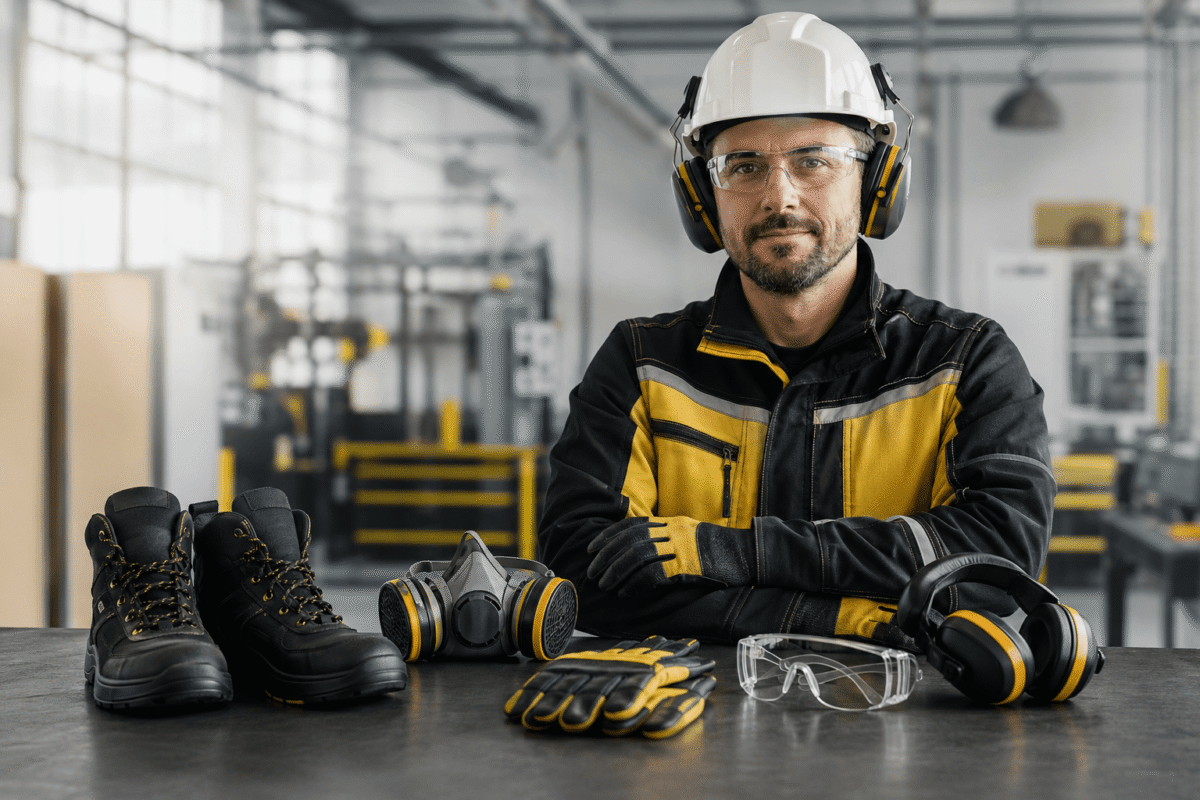
This is precisely why Personal Protective Equipment, known internationally as PPE, is used. This includes special clothing, equipment, and accessories that protect employees from specific workplace hazards.
Personal Protective Equipment is important in construction and manufacturing, as well as in logistics, energy, agriculture, medical facilities, laboratories, warehouses, and other workspaces.
What Personal Protective Equipment Means
Personal Protective Equipment is the last and one of the most crucial protective links in employee safety. Its main purpose is to reduce risks in the work environment and protect specific body parts.
It is important to remember that protective equipment cannot replace safe workplace design, risk assessment, and adherence to technical safety rules. However, in cases where hazards cannot be completely eliminated, quality Personal Protective Equipment becomes critically important.
Properly selected equipment enables employees to perform their work more safely, confidently, and comfortably.
What Hazards Are Encountered in the Workplace
Workplace hazards vary significantly. Therefore, using the same equipment for all positions will not be effective.
Physical hazards include mechanical injuries, falling heavy objects, contact with sharp surfaces, high or low temperatures, noise, vibration, electrical risks, and other types of exposure.
Chemical hazards may be associated with contact with toxic substances, dust, smoke, vapors, or various chemical compounds. In such environments, proper protection of the respiratory system, eyes, skin, and hands is particularly important.
Environmental risks include working in open spaces, wet surfaces, poor visibility, heights, heat, cold, and other specific conditions.
Equipment selection should always begin with an assessment of the specific job, environment, and existing hazards.
Head and Face Protection
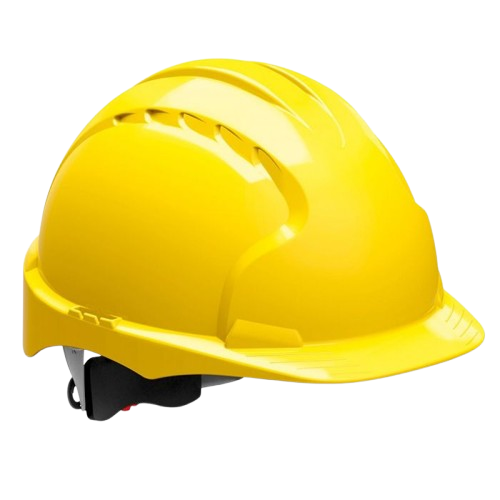
Head injury is one of the most serious risks in the workplace. In construction sites, factories, warehouses, and other areas, protective helmets reduce the risk of falling objects, impact, and mechanical damage.
Safety glasses, face shields, and other specific equipment tailored to the job are used for eye and face protection. When selecting them, both the level of protection and good visibility and comfortable fit are important.
Brands featured in SafetyHub’s assortment, including uvex, MSA Safety, JSP, Honeywell, and 3M, allow customers to choose protective equipment suitable for their working conditions.
Respiratory Protection
Dust, smoke, aerosols, and various harmful particles may not always be visible to the eye, but prolonged exposure poses a serious health risk.
Masks, respirators, filters, and other special devices are used for respiratory protection. Their selection cannot be based solely on external appearance. It is essential to know what type of contaminant is involved and what level of protection is needed.
A properly selected respirator should fit the face, not restrict work, and be used according to the manufacturer’s instructions.
Hand Protection
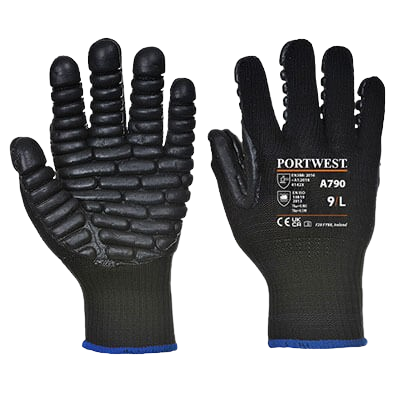
Hands are most frequently exposed to mechanical, chemical, and thermal effects during work. Therefore, work gloves should be selected not only by size but also by specific purpose.
Different jobs require gloves made of different materials and with varying protective capabilities. One model may effectively protect against mechanical damage, while another may be better suited for working with chemicals, heat, or humid environments.
Ansell, uvex, COFRA, and other professional brands offer a diverse range of hand protection solutions. When choosing, freedom of movement, a snug and comfortable fit, grip, and suitability for work risks are important.
Safety Footwear
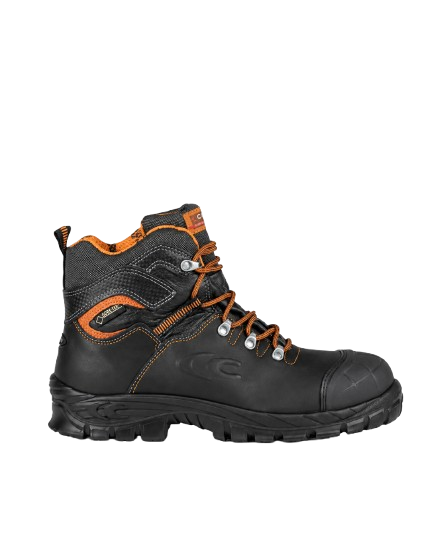
Safety footwear is not just durable shoes. Its function is to protect the feet from heavy objects, slips, sharp surfaces, moisture, heat, and other risks specific to the job.
When choosing footwear, it is necessary to consider the work environment, protection class, sole material, size, and duration of use. If an employee wears shoes throughout the workday, comfort, along with safety, becomes particularly important.
A prominent choice in this area is the Italian brand COFRA, which produces professional safety footwear, workwear, and various protective equipment.
One of COFRA’s main advantages is the combination of functionality, protection, and comfort. Diverse models allow safety footwear to be selected for construction and manufacturing work, as well as for warehousing, logistics, technical services, and other professional activities.
SafetyHub offers a wide selection of COFRA products, helping customers choose the footwear, clothing, and protective equipment needed for their work environment in one place.
Workwear and Body Protection
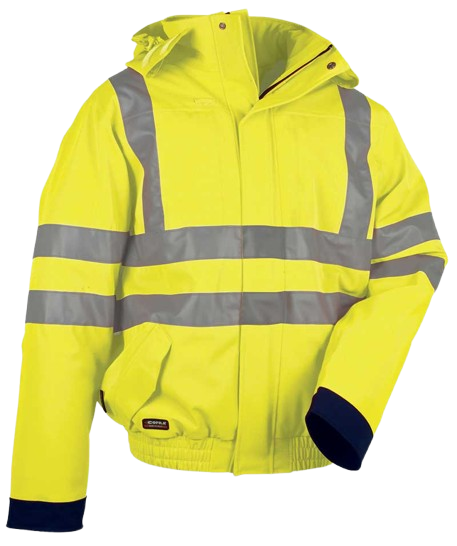
The purpose of workwear is not just to create a unified visual identity for employees. Quality clothing protects the body from environmental exposure, increases comfort, and promotes freedom of movement.
Special vests, jackets, trousers, overalls, and protective suits must correspond to the season, working conditions, and the specifics of the activity.
Clothing should not restrict movement, interfere with the use of other protective equipment, and should retain its functional properties during regular use.
COFRA, Portwest, Velilla, Panda, and other professional brands offer customers a selection of workwear for various fields and work environments.
Hearing Protection
Prolonged and intense noise can cause gradual hearing damage. This risk is particularly high in factories, construction sites, workshops, and when working with heavy machinery.
Earplugs and protective earmuffs are used for hearing protection. When choosing the right product, it is essential to consider the noise level, duration of use, and employee comfort.
Overly inconvenient equipment is often used incorrectly or employees remove it entirely, which reduces the effectiveness of protection. This is why comfort is an important part of safety.
How to Choose Protective Equipment Correctly
The selection of Personal Protective Equipment should be based on actual need, not just price or product visual characteristics.
First, a risk assessment of the work is required. It must be determined what hazards exist, which body parts need protection, and how often contact with the risk occurs.
Next, the product’s purpose, protection class, relevant standards, and manufacturer’s instructions should be checked. Choosing the correct size is also important, as equipment that is too large or too small may prove inconvenient and less effective during work.
The compatibility of various protective devices with each other should also be considered. For example, a helmet, glasses, respirator, and hearing protection should not interfere with each other when used simultaneously.
After purchasing the product, it is essential to regularly check its condition, store it properly, maintain it, and promptly replace damaged equipment.
Why Quality Products Are Important
When selecting Personal Protective Equipment, low price alone should not be the main criterion. A product that does not match the work risk, fits poorly, or quickly loses its protective properties cannot ensure real safety.
Quality equipment reduces the risk of unforeseen incidents, increases employee comfort, and helps ensure the uninterrupted continuation of the work process.
A properly selected product is not just an expense for a business. It is an investment in employee health, corporate responsibility, and the stability of the work process.
SafetyHub for Professional Safety
SafetyHub brings together Personal Protective Equipment, workwear, safety footwear, and products from recognized brands in the field of safety.
The assortment includes COFRA, 3M, Honeywell, Ansell, MSA Safety, uvex, Portwest, Velilla, Climax, BBU, Panda, Miguel Miranda, JSP, and other professional brands.
The SafetyHub team assists customers in product selection, considering the work environment, existing risks, required protection level, and budget. The service is available for both individual customers and companies that need bulk or regular orders for their employees.
For corporate customers, it is possible to prepare customized offers, plan product quantities, and organize delivery throughout Georgia.
Safety Starts with the Right Choice
Personal Protective Equipment is effective when properly selected, fitted, and used. Professional equipment not only physically protects employees. It creates a responsible work culture, increases confidence, and reduces daily risks.
If you want to choose safety footwear, workwear, gloves, helmets, respirators, or other protective equipment, explore the SafetyHub assortment.
Choose professional products from COFRA and other international brands or contact the SafetyHub team for a personal consultation and a customized offer tailored to your needs.