
 by wpideowise
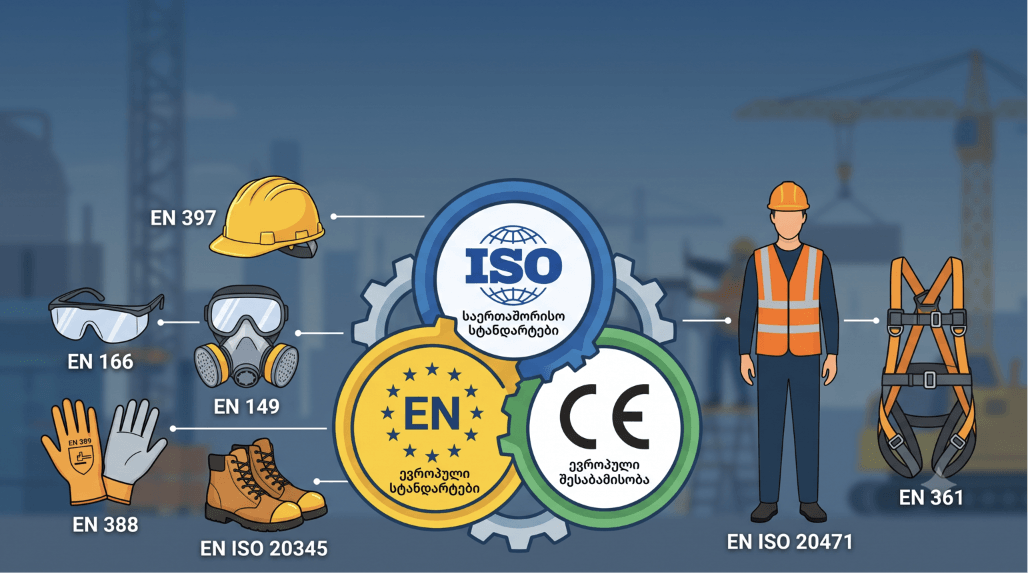
When choosing occupational safety equipment, various codes, abbreviations, and symbols are often encountered: EN, ISO, EN ISO, CE, protection classes, and special pictograms.
At first glance, these markings may seem like mere technical details, but in reality, they indicate the type of hazard the product is designed to protect the user from, the tests it has undergone, and the conditions under which it can be safely used.
Protective footwear, helmets, gloves, eyewear, or workwear may look high-quality visually, but for professional use, appearance alone is not enough. The product’s purpose, relevant standard, protection class, and the actual risks of the work environment are crucial.
What is a Safety Standard?
A standard is a set of technical requirements that define:
- Requirements for product construction and materials;
- Minimum level of protection;
- Testing and evaluation methods;
- Marking rules;
- Information to be provided to the user;
- Conditions for use, care, and storage.
For example, in the case of protective footwear, impact resistance, slip resistance, sole properties, temperature, or other additional characteristics may be checked. For protective eyewear, the optical quality of the lens, mechanical resistance, coverage level, and ability to protect against specific hazards are assessed.
The existence of a standard allows the user to evaluate a product not only by its name and design but also by confirmed technical data.
Why are there so many different standards?
Not all work environments present the same hazards.
On a construction site, an employee may need head, foot, and fall protection. In a production area, the risk of mechanical particles, noise, or moving machinery may be more significant. In chemical work, equipment that can withstand the effects of specific substances is required.
This is why there are different groups of standards:
- Head protection;
- Eye and face protection;
- Hearing protection;
- Respiratory protection;
- Hand protection;
- Foot protection;
- Protective clothing;
- High-visibility clothing;
- Protection against welding and high temperatures;
- Protection against chemical and biological hazards;
- Work at height and fall arrest systems;
- Occupational safety management.
A single standard cannot cover all possible hazards. A specific product may simultaneously meet several standards and protection requirements.
What does ISO mean?
ISO is the International Organization for Standardization, which develops international standards for various fields.
In occupational safety, one of the most well-known examples is ISO 45001 — the standard for an organization’s occupational health and safety management system. It addresses hazard identification, risk management, employee involvement, and continuous improvement of the safety system.
ISO 45001 is not a product standard. It assesses how an organization manages occupational safety as a whole. For personal protective equipment, separate product standards are used.
What does EN mean?
EN denotes a European Standard. Such standards define product technical requirements, test methods, marking, and protection classes within the European area.
If a product specifies EN ISO, it means that the international ISO standard has also been adopted as a European standard.
For example, the following areas are often found on the market:
- EN ISO 20345 — Protective footwear;
- EN ISO 21420 — General requirements for protective gloves;
- EN 388 — Protective gloves against mechanical risks;
- EN ISO 374 — Protective gloves against dangerous chemicals and microorganisms;
- EN 397 — Industrial safety helmets;
- EN 352 — Hearing protectors;
- EN 149 — Filtering half masks to protect against particles;
- EN ISO 20471 — High-visibility clothing;
- EN ISO 13688 — General requirements for protective clothing;
- EN 361 — Full body harnesses.
These are just a few common examples. Additional or more specialized standards may be required for specific tasks.
What does CE marking mean?
CE is not a separate safety standard, nor is it a level of product quality.
CE marking indicates that the manufacturer has assessed the product’s conformity with applicable EU requirements and has completed the necessary conformity procedures for it.
For personal protective equipment on the European market, EU Regulation 2016/425 applies. The regulation covers product design and manufacturing requirements, conformity assessment, technical documentation, declaration of conformity, and CE marking.
It is important to remember that the presence of a CE mark does not, by itself, indicate whether the product is suitable for a specific job. It is also necessary to check the relevant standard, protection class, and limitations of use.
The standard number is not enough
Two products may have the same standard indicated, but their level of protection may differ.
Next to the standard, you will often find:
- Protection class;
- Performance level;
- Additional feature code;
- Product category;
- Corresponding pictogram;
- Year of standard publication;
- Limitations of use.
For example, not all protective gloves protect equally against cuts, punctures, chemical substances, or high temperatures. Similarly, not all protective footwear has the same anti-slip, antistatic, water-resistant, or thermal insulation properties.
When selecting a product, not only the standard number but also specific protection indicators should be evaluated.
Main Categories of Safety Equipment
Head Protection
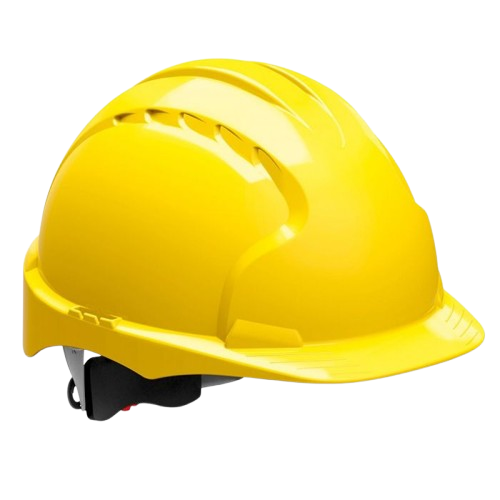
An industrial helmet may be designed to protect against falling objects, mechanical impact, or other specific risks. Some work environments also require additional electrical, thermal, or work-at-height considerations.
Eye and Face Protection
Safety glasses, goggles, and face shields are used for different hazards. When selecting them, it is important to assess mechanical particles, dust, liquid splashes, radiation, and other risks.
The international requirements for professional eye and face protection are covered by the ISO 16321 series of standards.
Hand Protection
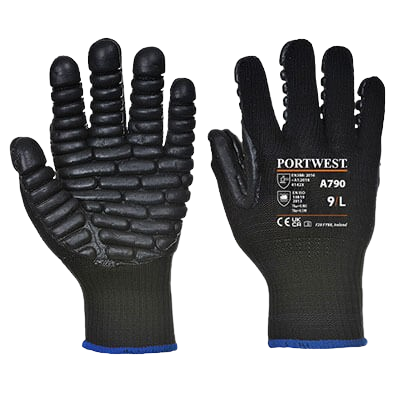
Protective gloves may be intended for mechanical, chemical, thermal, biological, or electrostatic risks.
ISO 21420 defines the general requirements for protective gloves, but for protection against specific hazards, additional standards and performance indicators are added.
Foot Protection
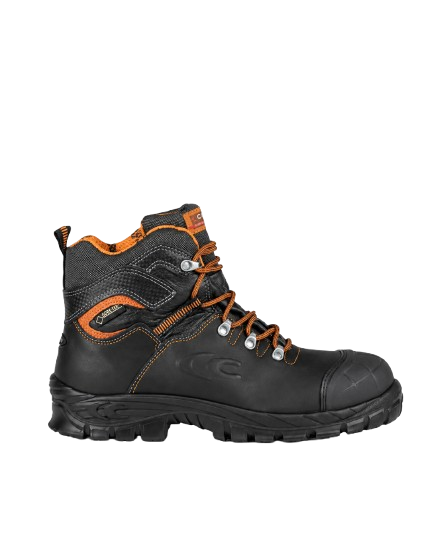
When selecting protective footwear, important considerations may include a protective toe cap, puncture-resistant sole, slip resistance, antistatic properties, water resistance, or protection against heat and cold.
ISO 20345 defines the basic and additional requirements for protective footwear.
Protective Clothing
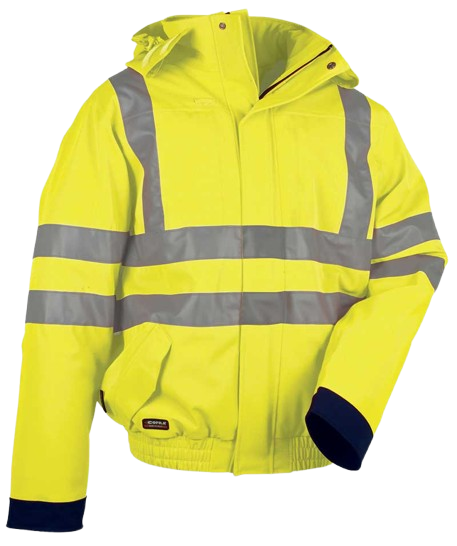
Workwear does not always mean protective clothing. A specific model may be designed for high visibility, protection against rain, cold, chemical exposure, welding work, or fire and high temperatures.
ISO 20471 defines the requirements for high-visibility clothing.
Hearing and Respiratory Protection
Earmuffs, earplugs, respirators, and filters should be selected according to the existing hazard. Insufficient protection cannot reduce the risk, while improperly selected or poorly fitted equipment can significantly lose its real effectiveness.
Work at Height
A work-at-height system does not consist of just one belt. A complete system may include a harness, connecting elements, an energy-absorbing device, and a secure anchor point.
All parts of the system must be compatible with each other and correctly selected for the specific working conditions.
How to check product conformity?
Before purchasing professional protective equipment, it is advisable to check:
- Manufacturer and exact product model;
- Product purpose;
- Applied standard and its year of publication;
- Protection class and additional marking;
- CE marking, when applicable to the product;
- Declaration of conformity;
- Conformity of the certificate and product model;
- Instructions for use;
- Sizes and fit options;
- Compatibility with other protective equipment;
- Conditions for care, storage, and replacement;
- Production and expiration date, if indicated.
The interpretation of markings should always be based on the manufacturer’s official documentation and product instructions.
How should a company choose the right protection?
The selection of personal protective equipment should not begin by browsing a product catalog. The first step is to assess the work environment and existing hazards.
The process can be divided into the following stages:
- Defining the work process;
- Identifying hazards;
- Assessing the risk level;
- Determining the required type of protection;
- Selecting the appropriate standard and protection class;
- Verifying product documentation;
- Testing size and fit on employees;
- Checking compatibility with other equipment;
- Providing instructions for use and care;
- Planning periodic inspection and replacement.
Protective equipment is effective only when it is correctly selected, fits the user comfortably, and is used consistently during work.
Most Common Mistakes
Choosing based solely on price
The cheapest product may not provide the necessary level of protection for a specific job. At the same time, the most expensive equipment does not automatically mean it is suitable for all risks.
Checking only the standard number
In addition to the standard number, it is essential to evaluate the protection class, additional codes, and limitations of use.
Using one product for all tasks
One pair of gloves, shoes, or glasses cannot protect against all hazards. Different work processes often require different equipment.
Neglecting size and comfort
An incorrectly sized product may fit poorly, restrict movement, or be removed by the employee during work.
Incompatibility with other equipment
A helmet, glasses, respirator, and hearing protection may be correctly selected individually, but interfere with each other when used simultaneously.
Using damaged equipment
A cracked helmet, scratched glasses, worn sole, or damaged harness may no longer provide the necessary protection.
Using outdated documentation
Standards are updated periodically. Before purchasing, product documentation, the standard version, and its compliance with current requirements should be checked.
SafetyHub — Professional Protection with Relevant Standards
SafetyHub offers personal protective equipment for various fields and work environments:
- Construction and engineering works;
- Manufacturing and technical activities;
- Warehouse and logistics;
- Energy sector;
- Welding and metalworking;
- Work at height;
- Road and outdoor works;
- Activities in chemical and special environments.
When selecting products, the SafetyHub team considers the work process, existing hazards, required level of protection, intensity of use, number of employees, and the company’s budget.
For corporate clients, tailored offers can be prepared, sizes and quantities planned, and product delivery organized throughout Georgia.
Safety starts with the right choice
Safety standards are not just codes on packaging. They help us understand what hazards a product is designed for, how its protective properties have been tested, and under what conditions it should be used.
For the right choice, it is essential to assess the work environment, read product markings, verify documentation, and determine the appropriate protection class.
If you are unsure which standard or protective equipment is suitable for your activity, contact the SafetyHub team for professional consultation and a tailored offer to meet your needs.