
 by wpideowise
Important rule: Ill-fitting equipment may not provide adequate protection and, conversely, may increase the risk of injury.
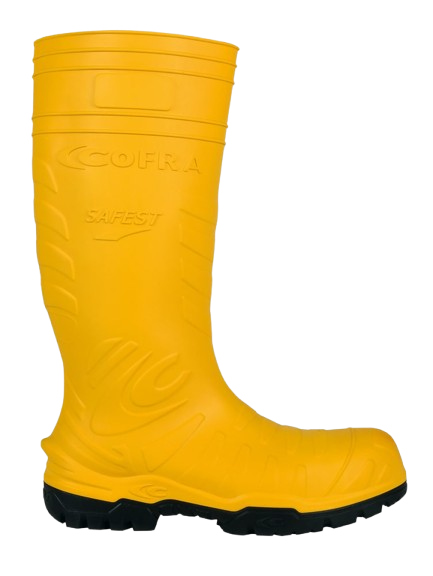
Safety footwear is one of the most important means of individual protection. During the workday, feet are constantly subjected to stress, and in construction, manufacturing, warehousing, and technical environments, this is compounded by the risk of heavy objects falling, slipping, stepping on sharp surfaces, moisture, and other hazards.
However, not all types of footwear are suitable for every work environment. A model that is comfortable and effective for warehouse work may not provide sufficient protection on a construction site or in a manufacturing facility.
That is why the selection of safety footwear should begin with an assessment of working conditions, existing risks, and intensity of use.
Why Choosing the Right Footwear is Important
The purpose of work footwear is not only to protect the feet from injury. A correctly chosen model helps the employee move comfortably throughout the workday, maintain stability, and experience less fatigue.
If the footwear is heavy, uncomfortable, the wrong size, or does not suit the specific work environment, the employee may use it incorrectly or refuse to wear it altogether. In such cases, the protective effect is significantly reduced.
Quality safety footwear should combine:
- Protection appropriate to the work risk;
- Durable and high-quality materials;
- Freedom of movement;
- Proper foot support;
- Comfort required for prolonged use;
- Sole structure appropriate for the work environment.
Start by Assessing the Work Environment
Before choosing safety footwear, it is necessary to determine the type of environment in which the employee will use it.
Consider:
- Is there a risk of heavy objects falling on the foot?
- Is the floor wet, greasy, or slippery?
- Could the employee step on sharp objects?
- Is the work performed in an open space?
- Is there water, mud, cold, or high temperatures in the environment?
- How many hours must the employee wear the footwear?
- Does the job require frequent movement, climbing stairs, or carrying heavy loads?
Such a risk assessment will help you determine what features a specific model should have.
Safety Footwear for Construction Work
On a construction site, an employee may face several hazards simultaneously. In such an environment, there is a risk of heavy materials falling, stepping on sharp objects, moving on uneven surfaces, and slipping.
Depending on the specifics of the work, footwear designed for construction work may require:
- Protective toe cap;
- Puncture-resistant midsole;
- Anti-slip sole;
- Additional ankle support;
- Moisture-resistant upper;
- Durable and textured sole.
When working outdoors, it is also important to consider the season. Different materials, inner linings, and ventilation levels may be needed for summer and winter conditions.
Footwear for Warehousing and Logistics
In warehouses and logistics centers, employees often have to move long distances, handle cargo, and stand on hard surfaces for hours.
In such an environment, in addition to protection, the lightness and comfort of the footwear are particularly important.
It is desirable for the model to have:
- Lightweight construction;
- Protective toe cap, if there is a risk of falling loads;
- Anti-slip sole;
- Shock-absorbing heel;
- Good ventilation;
- Flexible sole;
- Stable foot support.
Overly heavy footwear can increase fatigue throughout the day, so finding the right balance between protection and weight is essential.
Footwear for Manufacturing and Workshops
In manufacturing environments, risks vary depending on the specific activity. An employee may come into contact with heavy components, technical liquids, hot surfaces, or slippery floors.
In such cases, it is necessary to check the technical specifications of the product and the manufacturer’s instructions.
When selecting footwear, attention should be paid to:
- Sole grip;
- Presence of a protective toe cap;
- Sole resistance to oil and technical liquids;
- Puncture protection;
- Appropriate characteristics for high or low temperatures;
- Durability of the footwear upper.
In the presence of specific hazards, a product designed for that risk and with appropriate marking should be selected.
Protective Toe Cap: Metal or Composite Material?
One of the main elements of safety footwear is the protective toe cap, which protects the front part of the foot from impact and compression.
The protective toe cap can be made of metal or modern composite material.
Metal construction is distinguished by its durability, while the composite option is often lighter and transfers less temperature. The best choice depends on the work environment, the overall weight of the footwear, and the employee’s needs.
Not only the material is important, but also whether the product complies with the required protection standard and specific work risk.
Puncture-Resistant Midsole
On construction sites, in workshops, and in some manufacturing areas, nails, metal scraps, or other sharp objects may be found on the floor.
In such an environment, it is important for the footwear to have a puncture-resistant midsole. It can be made of metal or a special flexible material.
A flexible layer often reduces the weight of the footwear and makes movement more comfortable, but the choice should still be made according to working conditions and the required level of protection.
Anti-Slip Sole
Slipping is one of the most common risks in the workplace. The danger is particularly increased when working on wet, greasy, dusty, or smooth surfaces.
When choosing anti-slip footwear, the external relief of the sole alone is not enough. The official characteristics of the product should be checked, and it should be determined what type of surface it is intended for.
Along with choosing the right sole, regular cleaning of the workspace and timely removal of spilled liquids are important. Safety footwear complements preventive measures but does not replace them.
Low-Cut or High-Cut Model?
Low-cut work footwear is often lighter and more flexible. It can be convenient for indoor spaces, warehouses, logistics centers, or for work that requires frequent movement.
A high-cut model provides additional coverage around the ankle and better support. Such footwear is often used on construction sites, in open spaces, and when working on uneven surfaces.
The choice should be based not only on visual preference but also on the type of movement, environment, and actual risk of injury.
How to Choose the Right Size
Incorrectly sized safety footwear can be as problematic as a model with inadequate protection.
Footwear that is too small restricts movement and causes discomfort, while an oversized pair does not properly secure the foot and reduces stability during movement.
When trying them on, consider:
- What type of socks you will wear with the footwear;
- Is there enough space for your toes?
- Is the heel firmly secured?
- Is the protective toe cap pressing on you?
- Is it comfortable after walking for a few minutes?
- Does it restrict ankle and foot movement?
If the employee has to wear the footwear all day, checking for comfort is especially important.
Most Common Mistakes
Several typical mistakes are often made when choosing safety footwear:
Choosing Based Only on Price
A cheap model is not always an economical choice. If the footwear is quickly damaged, does not match the work risk, or is uncomfortable for the employee, it will need frequent replacement.
Selecting One Model for All Employees
Even within the same company, different positions may have different hazards. Employees in offices, warehouses, manufacturing, and outdoor work do not always need the same footwear.
Ignoring the Season
Warm footwear may be uncomfortable in summer, while a thin and ventilated model may be unsuitable for outdoor winter conditions.
Not Checking Technical Specifications
The appearance of a product does not determine its level of protection. It is essential to check the marking, intended use, and characteristics specified by the manufacturer.
Continuing to Use Damaged Footwear
A worn sole, damaged upper, or deformed protective part may no longer provide the necessary protection.
Maintenance and Timely Replacement
The lifespan of safety footwear depends on the work environment, load, material, and maintenance.
Footwear should be inspected regularly. Pay particular attention to:
- Sole wear;
- Damage to seams and upper;
- Water penetration;
- Deformation of the protective toe cap;
- Punctured or cracked parts;
- Condition of fasteners and laces.
Footwear should be cleaned according to the manufacturer’s recommendations and dried naturally. Damaged products should be replaced promptly, even if they still appear usable externally.
COFRA Safety Footwear for Professional Activities
When choosing safety footwear, the brand’s experience, product diversity, and the availability of models for various work environments are important.
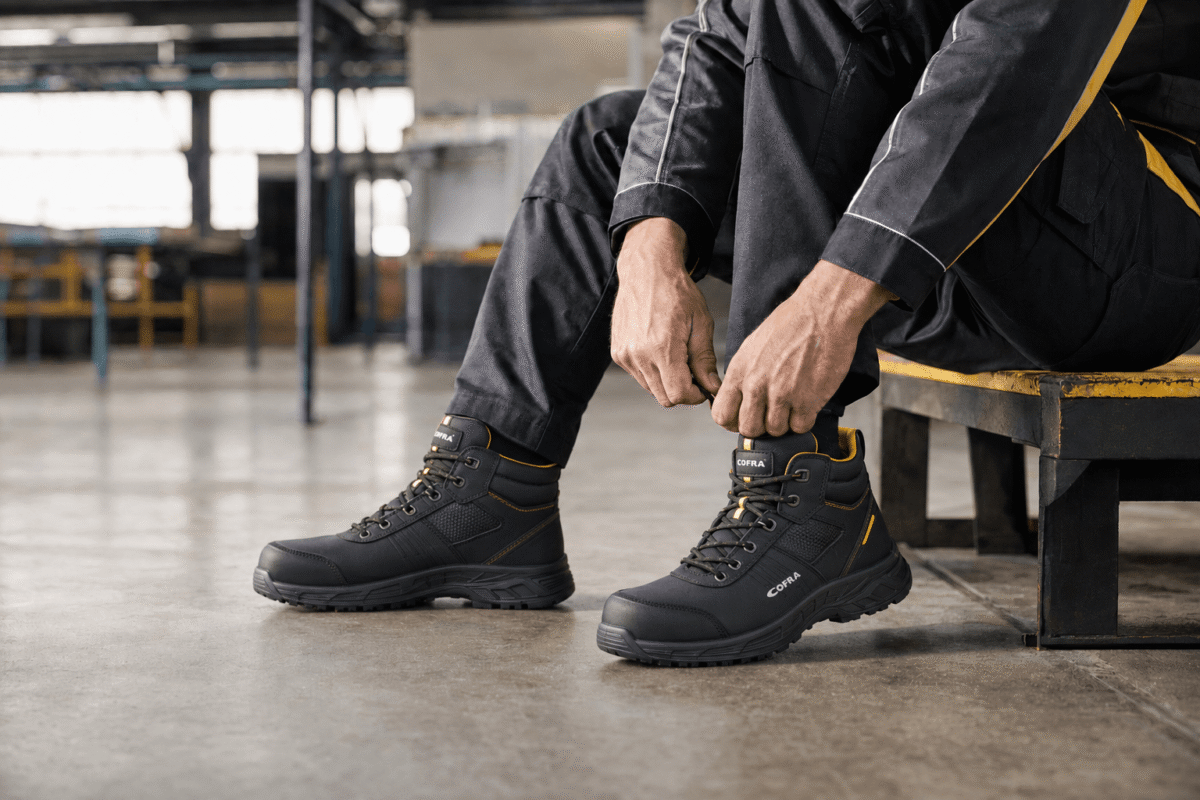
The Italian brand COFRA produces professional safety footwear for construction, manufacturing, warehousing, logistics, and technical activities.
The variety of models allows customers to consider the weight, material, height, season, and intensity of daily use, along with protection appropriate to the work risk.
Choose Safety Footwear at SafetyHub
SafetyHub offers a wide selection of safety footwear from COFRA and other professional brands for various work environments.
If you are unsure which model suits your activity, the SafetyHub team will help you choose, considering the following factors:
- Work environment;
- Existing hazards;
- Required level of protection;
- Intensity of use;
- Season;
- Number of employees;
- Company budget.
For corporate clients, tailored offers can be prepared, sizes and quantities planned, and product delivery organized throughout Georgia.
A Safe Step Starts with the Right Choice
Safety footwear is part of an employee’s daily equipment. A correctly chosen model protects the foot, improves movement stability, and makes the workday more comfortable.
When choosing, do not rely solely on appearance or price. Evaluate the work environment, check product characteristics, and select footwear that genuinely matches the existing risks.
Explore SafetyHub’s range of safety footwear or contact our team for professional consultation and a tailored offer to meet your needs.